Transjoaimo: Complete Guide to Road Transport, Logistics, Freight Services, and Business Shipping
Transjoaimo is best understood as a term connected with road transport and logistics services, including cargo movement, freight transportation, and business shipping. The name appears to be associated with the broader logistics industry, where businesses depend on transportation providers to move products, materials, and commercial goods from one location to another.
Because Transjoaimo is not a widely established English dictionary term, it is important to approach the keyword carefully. The available description connects it with road transport, logistics, cargo movement, and freight services. However, specific information about a company, operating locations, fleet size, ownership, registration, or exact services should be verified through reliable business records or official company information before being treated as fact.
For people searching for Transjoaimo, the main questions are likely to include what the term means, what type of transportation service it represents, how road logistics works, what freight services involve, and how businesses can evaluate a transportation provider.
This guide explains Transjoaimo through that wider logistics context. It also discusses freight transportation, cargo handling, supply chain management, delivery planning, transportation safety, technology, pricing, business logistics, and practical ways to evaluate a road transport provider.
What Is Transjoaimo?
Transjoaimo is a term associated with road transportation and logistics services.
Based on the information available for the keyword, Transjoaimo can be understood in connection with services that help move cargo and commercial goods by road. Such services may be relevant to businesses that need to transport products between suppliers, warehouses, distribution centers, stores, customers, or other commercial locations.
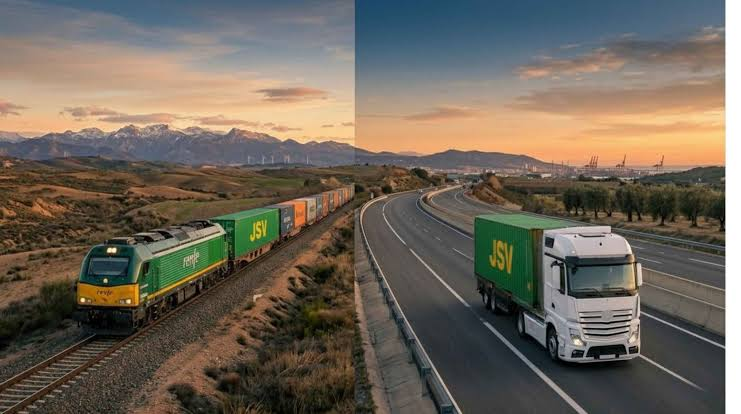
Road transportation is one of the most important parts of the modern supply chain. Trucks and other road vehicles provide flexible transportation because they can usually reach locations that are not directly connected to railways, ports, or airports.
The exact meaning of Transjoaimo can depend on the context in which the term is used. If it refers to a specific company, readers should verify the company’s official identity, location, services, and operating status before making business decisions.
Transjoaimo Meaning in Simple Words
In simple terms, Transjoaimo refers to a road transport and logistics concept connected with moving goods from one place to another.
A logistics provider may help a business with activities such as:
- Cargo transportation
- Freight movement
- Local delivery
- Regional transportation
- Commercial shipping
- Route planning
- Transportation coordination
- Delivery scheduling
- Supply chain support
The exact services offered by a particular provider can vary.
For example, one company may focus on local truck deliveries, while another may handle long-distance freight transportation. A larger logistics provider may coordinate several transportation methods and warehouse operations.
What Does a Road Transport and Logistics Provider Do?
A road transport provider helps move goods using roads and highways.
This sounds simple, but commercial transportation involves many steps.
A shipment must be collected from the correct location. It must be loaded safely. The vehicle needs to follow an appropriate route. The cargo must arrive within the required delivery window. Documents may need to accompany the shipment. The goods must also be protected against damage, loss, or unauthorized access.
A logistics provider may therefore do much more than simply drive a truck.
Depending on the business model, a provider may coordinate drivers, vehicles, warehouses, dispatch operations, delivery schedules, customer communication, tracking, and freight documentation.
This coordination is what makes logistics different from basic transportation.
Transjoaimo and Freight Transportation
Freight transportation involves moving goods for commercial purposes.
Freight can include many different types of products. Examples include manufactured goods, food products, building materials, machinery, retail merchandise, packaging materials, and industrial supplies.
The transportation method depends on the cargo.
Some goods can travel in ordinary dry vans. Other products may need refrigerated vehicles, specialized trailers, protective packaging, or controlled handling.
A logistics provider must understand these requirements before accepting a shipment.
For a business, choosing the right transportation service can affect delivery times, inventory levels, customer satisfaction, and operating costs.
How Road Freight Transportation Works
Road freight transportation normally follows a basic sequence.
First, the shipper prepares the goods.
Next, the transportation provider receives information about the shipment, including its origin, destination, size, weight, and delivery requirements.
The carrier then assigns a suitable vehicle and plans the route.
The goods are loaded and secured.
The driver transports the shipment to the destination.
After delivery, the receiving party confirms that the shipment arrived.
The process may also include tracking updates, delivery documentation, invoices, and communication between the shipper and carrier.
Modern logistics systems increasingly use digital tools to make these steps easier to monitor.
Why Road Transport Is Important
Road transportation is important because it offers flexibility.
Rail transportation can move large quantities efficiently, but rail routes are limited to established tracks. Ships are highly useful for international trade but require ports. Air freight is fast but usually more expensive.
Road vehicles can often provide door-to-door transportation.
A truck can collect goods from a factory, travel to a distribution center, and then deliver them to a retail location or customer.
This flexibility makes road freight an essential part of many supply chains.
Transjoaimo and Supply Chain Management
Supply chain management involves coordinating the movement of products, information, and resources from suppliers to customers.
Transportation is a major part of that process.
A business may purchase raw materials from one supplier, manufacture products at another location, store them in a warehouse, and eventually ship them to customers.
Every transportation step creates an opportunity for delays or additional costs.
Reliable logistics planning can reduce these problems.
A road transport provider can therefore become an important supply chain partner rather than simply a delivery company.
What Types of Cargo Can Road Logistics Handle?
Road logistics can handle many types of cargo.
Common examples include:
- Consumer products
- Retail inventory
- Industrial equipment
- Construction materials
- Packaging
- Furniture
- Machinery
- Electronics
- Automotive components
- Agricultural products
- Food products
- Business supplies
However, not every carrier is equipped to transport every type of cargo.
Perishable products may require temperature-controlled transportation.
Large machinery may require specialized equipment.
Hazardous materials may require special vehicles, training, labeling, and regulatory compliance.
Businesses should therefore confirm that a transportation provider is properly equipped for the specific shipment.
Full Truckload and Less-Than-Truckload Freight
Two common road freight models are full truckload and less-than-truckload transportation.
Full truckload, often called FTL, generally involves using most or all of a truck’s capacity for one shipment or customer.
Less-than-truckload, commonly called LTL, combines shipments from multiple customers into one vehicle.
FTL can be useful when a business has a large shipment or wants fewer handling points.
LTL can be more economical when the shipment is too small to require an entire truck.
The right choice depends on shipment size, delivery requirements, budget, and how quickly the goods need to arrive.
Transjoaimo and Local Delivery
Road logistics can operate at a local level as well as over long distances.
Local transportation may involve moving goods within one city or metropolitan area.
For example, a business might need products transported from a warehouse to several stores in the same region.
Local delivery can be especially important for retailers, restaurants, manufacturers, wholesalers, and e-commerce businesses.
The main advantages include flexibility and relatively direct delivery.
Regional and Long-Distance Transportation
Regional transportation covers a larger geographic area, often across multiple cities or states.
Long-distance trucking can move cargo hundreds or thousands of miles.
Long-distance freight requires careful planning because drivers, vehicles, fuel, road conditions, weather, and delivery schedules all affect the journey.
In the United States, commercial trucking is also subject to federal and state requirements covering areas such as driver qualifications, hours of service, vehicle safety, and transportation records.
Businesses using transportation providers should confirm that the carrier meets the requirements applicable to its operations.
How Route Planning Supports Logistics
Route planning is an important part of freight transportation.
The shortest route is not always the best route.
A logistics planner may consider:
- Distance
- Traffic
- Road restrictions
- Weather
- Vehicle limitations
- Delivery windows
- Fuel consumption
- Driver schedules
- Customer requirements
- Construction or road closures
Modern transportation management systems can help businesses analyze routes and coordinate deliveries.
Better route planning can reduce unnecessary mileage and improve delivery reliability.
Transjoaimo and Transportation Technology
Modern logistics depends heavily on technology.
Transportation providers may use GPS, electronic logging systems, fleet management software, transportation management systems, digital proof of delivery, and shipment tracking tools.
These technologies help businesses understand where vehicles are and when shipments are expected to arrive.
Technology can also help transportation companies monitor vehicle maintenance, fuel consumption, driver activity, and route efficiency.
The goal is not simply to add technology. The goal is to make transportation safer, more predictable, and easier to manage.
GPS Tracking in Road Logistics
GPS tracking allows transportation companies to monitor vehicle locations.
For businesses, tracking can provide useful information about shipment progress.
A customer service team may be able to estimate when a shipment will arrive. A warehouse can prepare for incoming cargo. A business can identify delays earlier.
Tracking can also improve accountability.
However, companies should understand what tracking information is collected, who can access it, and how long it is retained.
Good logistics technology should balance operational usefulness with privacy and security.
Transportation Management Systems
A transportation management system, or TMS, is software designed to help businesses plan and manage transportation.
A TMS can support activities such as shipment planning, carrier selection, route optimization, freight tracking, documentation, and transportation reporting.
For larger businesses, these systems can connect transportation activities with warehouse and inventory systems.
A smaller company may not need a sophisticated TMS, but even basic digital scheduling and tracking can improve logistics coordination.
Transjoaimo and Freight Documentation
Documentation is an important part of commercial transportation.
Depending on the shipment, documents may include bills of lading, invoices, delivery receipts, customs documents, and other records.
The bill of lading is particularly important in freight transportation because it can provide information about the shipment, parties involved, and transportation terms.
Businesses should maintain accurate records and ensure that shipment information matches the physical cargo.
Incorrect documentation can cause delays, disputes, or compliance problems.
What Is a Bill of Lading?
A bill of lading is a transportation document used in freight shipping.
It can identify the shipper, carrier, consignee, cargo, and relevant transportation terms.
It may also serve as evidence that the carrier received the goods.
The exact legal role of a bill of lading can depend on the transaction and applicable law.
For businesses, accurate documentation is essential because freight disputes often involve questions about what was shipped, its condition, and who was responsible at different stages of transportation.
Transjoaimo and Freight Costs
Transportation costs depend on many factors.
Common cost factors include:
- Shipment weight
- Shipment volume
- Distance
- Fuel costs
- Vehicle type
- Freight classification
- Delivery speed
- Loading requirements
- Special handling
- Insurance
- Tolls
- Market conditions
This means there is no single standard price for road freight.
A provider may calculate pricing using a combination of mileage, weight, volume, shipment type, and additional services.
Businesses should request a clear quote that identifies what is included.
What Affects Trucking Rates?
Distance is one of the most obvious factors.
Longer transportation routes usually require more fuel, driver time, and vehicle use.
Shipment size also matters.
A heavy shipment may cost more to transport because it uses more of the vehicle’s weight capacity.
The amount of space a shipment occupies can also matter. A large but lightweight shipment may use substantial trailer space.
Fuel prices, market demand, tolls, and regional conditions can further affect rates.
Transjoaimo and Delivery Speed
Delivery speed is an important logistics consideration.
Some shipments can move using standard transportation schedules.
Others may require expedited service.
Expedited freight generally costs more because the carrier must prioritize the shipment and may need to adjust routing or scheduling.
Businesses should decide whether speed is actually necessary.
Paying for extremely fast delivery may not make financial sense for low-priority inventory.
A better approach is to match delivery speed with the business value of the shipment.
How Businesses Can Choose a Logistics Provider
Choosing a logistics provider should involve more than comparing prices.
Businesses should consider:
- Service coverage
- Transportation capacity
- Experience with the relevant cargo
- Safety practices
- Insurance
- Tracking capabilities
- Customer service
- Delivery performance
- Documentation
- Pricing transparency
- Regulatory compliance
A low-cost carrier may not be the best option if shipments regularly arrive late or damaged.
Reliability can be more valuable than a small difference in the transportation rate.
Questions to Ask a Road Transport Provider
Before working with a provider, a business can ask several practical questions.
Where does the company operate?
What types of freight does it handle?
What vehicle types are available?
Does it provide shipment tracking?
How does it handle damaged goods?
What insurance coverage applies?
How are delivery delays communicated?
What documentation is provided?
How are freight rates calculated?
Does the company use subcontracted carriers?
Clear answers to these questions can reveal how professionally the provider operates.
Transjoaimo and Cargo Safety
Cargo safety is a major responsibility in transportation.
Goods need to be loaded and secured properly.
Improper loading can allow cargo to shift during transportation. This can damage products and create safety risks.
Different types of cargo require different handling methods.
Fragile goods may need protective packaging.
Heavy equipment may require specialized restraints.
Temperature-sensitive products may require refrigerated equipment.
A professional logistics provider should understand these requirements before transporting the shipment.
Packaging and Freight Protection
Good packaging can reduce the risk of damage.
Boxes should be appropriate for the product.
Fragile items may need cushioning.
Heavy products should be packaged in a way that can withstand movement.
Palletized freight should be secured properly.
Businesses should also consider how many times a shipment may be handled during transportation.
A product that is safe during one direct truck journey may require stronger packaging if it will be transferred several times.
Transjoaimo and Warehousing
Some logistics providers offer services beyond transportation.
Warehousing involves storing products before they are moved to the next destination.
A logistics company may provide temporary storage, inventory management, order preparation, and distribution.
Combining warehousing and transportation can simplify supply chain management.
For example, a business could store inventory at a distribution center and arrange deliveries as customer orders are received.
Transportation and Inventory Management
Transportation and inventory are closely connected.
If deliveries are unreliable, businesses may need to keep additional inventory as a safety buffer.
If transportation becomes more predictable, companies may be able to reduce some unnecessary inventory.
However, reducing inventory too aggressively can create shortages.
The goal is balance.
Reliable logistics allows businesses to plan inventory with greater confidence.
Transjoaimo and E-Commerce
E-commerce has increased the importance of transportation.
Online customers expect products to arrive quickly and reliably.
A retailer may have a strong website and efficient warehouse but still receive poor customer reviews if deliveries are consistently late.
Road transportation is particularly important for the final stages of many online orders.
This includes moving packages from distribution centers to local delivery facilities and then to customers.
For businesses, transportation is therefore part of the customer experience.
Last-Mile Delivery
Last-mile delivery refers to the final transportation stage before a product reaches the customer.
It is often one of the most complicated and expensive parts of delivery.
Urban traffic, residential addresses, parking, customer availability, and small shipment sizes can all create challenges.
Technology can help with route planning and delivery tracking, but local conditions still matter.
A logistics provider that performs well in long-distance trucking may not necessarily be the best choice for last-mile delivery.
Transjoaimo and Business Logistics
Businesses often depend on logistics even when customers never see the transportation process.
A manufacturer needs raw materials.
A retailer needs inventory.
A restaurant needs food and supplies.
A construction company needs materials and equipment.
A hospital needs medical supplies.
In each case, transportation connects different parts of the supply chain.
This is why road logistics is not simply a delivery function. It is an important business operation.
Sustainability in Road Transportation
Transportation has environmental impacts.
Road freight vehicles consume fuel and produce emissions.
Businesses are therefore increasingly interested in more efficient transportation.
Possible approaches include better route planning, reducing empty truck miles, improving vehicle efficiency, using alternative fuels, and increasing load efficiency.
Electric trucks and other lower-emission technologies are also developing.
However, the best sustainability strategy depends on the type of operation.
A company should evaluate actual fuel use, mileage, load efficiency, and vehicle requirements instead of relying only on general environmental claims.
Reducing Empty Miles
An empty mile occurs when a commercial vehicle travels without a useful freight load.
Empty miles reduce efficiency because the vehicle consumes time and energy without generating transportation revenue.
Logistics companies use scheduling, freight matching, route planning, and network optimization to reduce unnecessary empty travel.
This can improve both environmental performance and operating costs.
Transjoaimo and Fleet Management
Fleet management involves managing the vehicles used for transportation.
Important fleet activities include:
- Vehicle maintenance
- Fuel management
- Driver scheduling
- Safety inspections
- Route planning
- Vehicle tracking
- Tire management
- Regulatory compliance
A well-managed fleet can improve reliability.
Poor maintenance can lead to breakdowns and delivery delays.
Preventive maintenance is therefore an important part of professional road transportation.
Vehicle Maintenance and Freight Reliability
A transportation provider cannot deliver reliably if its vehicles are regularly breaking down.
Routine maintenance can help identify problems before they become serious.
Maintenance schedules may cover brakes, tires, engines, lights, fluids, and other vehicle systems.
For customers, the benefit is simple: properly maintained vehicles are less likely to cause unexpected transportation disruptions.
Driver Safety in Road Logistics
Drivers are central to the transportation industry.
Commercial drivers operate large vehicles in different weather and traffic conditions.
Safety depends on proper training, vehicle maintenance, responsible scheduling, and compliance with applicable regulations.
Driver fatigue is a major safety concern, which is why U.S. commercial motor carriers are subject to hours-of-service rules administered by the Federal Motor Carrier Safety Administration.
Businesses selecting transportation providers should take safety seriously rather than focusing only on price.
U.S. Regulations for Commercial Trucking
Road transportation in the United States operates under federal and state regulations.
The Federal Motor Carrier Safety Administration, or FMCSA, oversees important areas of commercial motor carrier safety.
Requirements can cover driver qualifications, hours of service, vehicle safety, inspections, records, and other transportation activities.
Businesses can use official government resources to verify carrier information when appropriate.
This is particularly important when choosing an unfamiliar transportation provider.
How to Verify a Transportation Company
If Transjoaimo refers to a specific company, consumers and businesses should verify its identity before entering into a contract.
Useful checks can include:
- Official company website
- Business registration
- Physical business information
- Transportation authority records
- Insurance information
- Customer reviews
- Industry references
- Freight carrier records
For U.S. motor carriers, FMCSA provides public information through its Safety and Fitness Electronic Records System and related carrier resources.
A name alone is not enough to establish that a company is legitimate.
Transjoaimo and Online Business Verification
Online logistics businesses should be evaluated carefully.
A professional website can provide useful information, but a website alone does not prove that a company is reliable.
Look for consistent business information across multiple sources.
Check whether the company provides a real business address, working contact information, clear service descriptions, and verifiable transportation credentials where applicable.
Be cautious if a company asks for unusual payments, refuses to provide basic documentation, or makes unrealistic promises.
Warning Signs When Choosing a Logistics Provider
Several warning signs deserve attention.
A company that refuses to provide basic business information should be treated cautiously.
Extremely low prices can also deserve investigation if they are far below normal market rates.
Businesses should be especially careful when a provider requests payment through unusual channels or pressures a customer to pay immediately.
Other concerns include unclear insurance coverage, missing documentation, inconsistent contact information, and unsupported claims about transportation capabilities.
Due diligence can prevent expensive mistakes.
Transjoaimo and Freight Insurance
Freight can be damaged or lost during transportation.
Insurance and carrier liability are therefore important considerations.
The exact responsibility for damaged goods depends on the shipment terms, transportation agreement, applicable law, and circumstances of the loss.
Businesses should not assume that every carrier automatically provides unlimited protection for the full value of every shipment.
Before shipping valuable goods, confirm what coverage applies and whether additional cargo insurance is appropriate.
What Is a Freight Claim?
A freight claim is a request for compensation or resolution after a shipment is damaged, lost, delayed under applicable terms, or otherwise affected by a transportation problem.
Documentation is important.
Businesses may need photographs, invoices, shipping documents, delivery records, and evidence showing the condition of the goods.
The exact claims process varies by carrier and transportation arrangement.
A well-organized logistics provider should explain the process clearly.
Transjoaimo and Customer Service
Customer service is often overlooked when businesses compare logistics companies.
However, communication becomes especially important when something goes wrong.
A delayed shipment may require immediate action.
If a logistics provider communicates quickly, the customer may be able to adjust inventory planning or inform its own customers.
Poor communication can make a manageable delay much more damaging.
Therefore, businesses should evaluate communication quality before signing a long-term transportation agreement.
How Technology Can Improve Customer Communication
Modern logistics systems can provide automated shipment updates.
Customers may receive information when cargo is picked up, reaches a distribution point, is out for delivery, or has been delivered.
This visibility can reduce the number of manual phone calls and emails.
It can also help businesses identify delays earlier.
However, technology should support human customer service rather than completely replace it.
When a serious problem occurs, customers still need access to knowledgeable people who can help.
Also read:Tozymagazine.com USA: What Is Tozy Magazine, What Does It Cover, and Is It Useful for U.S. Readers?
Transjoaimo and Small Businesses
Small businesses can benefit from professional logistics services.
A small retailer may not have its own trucks.
A growing online business may not have enough transportation expertise to manage complex shipping.
Outsourcing logistics can allow the business owner to focus on sales, product development, and customer service.
However, small businesses should pay close attention to minimum charges, fuel surcharges, delivery fees, and contract terms.
Transjoaimo and Large Businesses
Large businesses often require more complex logistics.
They may operate multiple warehouses and serve customers across several states.
They may also need dedicated transportation, scheduled pickups, cross-docking, freight consolidation, and advanced tracking.
Large companies often use transportation management systems to coordinate large numbers of shipments.
At this scale, small improvements in routing and efficiency can produce significant cost savings.
What Makes a Good Logistics Provider?
A good logistics provider should combine reliability, safety, communication, and appropriate technology.
Price is important, but it should not be the only factor.
A provider that consistently delivers on time, protects cargo, communicates clearly, and maintains proper records can create more value than a cheaper provider with poor service.
The strongest transportation relationships are usually built around measurable performance.
Businesses can track delivery times, damage rates, claims, communication response times, and transportation costs.
Key Performance Indicators in Logistics
Logistics companies often use key performance indicators, or KPIs, to measure performance.
Examples include:
- On-time delivery rate
- Freight damage rate
- Average transit time
- Cost per shipment
- Cost per mile
- Vehicle utilization
- Empty-mile percentage
- Claims frequency
- Customer satisfaction
These measurements can help businesses identify whether a transportation provider is actually performing well.
Future of Road Transportation
The road transportation industry is changing.
Electric commercial vehicles, alternative fuels, advanced driver assistance systems, improved logistics software, automation, and better data analysis are influencing the sector.
Autonomous vehicle technology is also being researched and developed, although widespread full automation remains a complex issue involving technology, regulation, safety, infrastructure, and economics.
The future will likely combine human drivers, advanced vehicles, and increasingly sophisticated logistics software.
Is Transjoaimo a Reliable Company?
The answer cannot be established simply from the keyword itself.
If Transjoaimo refers to a particular transportation company, reliability should be evaluated using current, independently verifiable information.
Look for official registration details, transportation authority records where applicable, insurance information, operating history, customer feedback, and clear contact information.
Do not assume that a company is legitimate simply because its website looks professional.
Likewise, do not assume that a company is unreliable simply because it has limited online visibility.
The strongest conclusion comes from multiple independent pieces of evidence.
Is Transjoaimo Available in the United States?
The available keyword description connects Transjoaimo with road transport and logistics, but it does not establish a complete current list of U.S. operating locations.
If you are considering the service for a U.S. shipment, verify whether the provider actually serves your origin and destination.
You should also verify whether it directly operates the transportation or uses partner carriers.
This matters because transportation coverage can change over time.
How to Compare Transjoaimo With Other Logistics Providers
The best comparison is based on measurable factors.
Compare:
- Service area
- Freight types
- Delivery speed
- Tracking
- Insurance
- Pricing
- Customer support
- Safety record
- Carrier credentials
- Contract terms
A provider that performs well in one category may not be the best choice in another.
For example, the cheapest provider may not offer the fastest delivery.
A specialized carrier may cost more but provide better protection for fragile equipment.
Final Thoughts
Transjoaimo is best understood in the context of road transportation, freight movement, and logistics services. The keyword is associated with the process of moving commercial cargo by road and supporting businesses with transportation-related operations.
The larger logistics industry involves much more than driving goods from one location to another. It includes route planning, cargo handling, fleet management, documentation, tracking, safety, warehousing, inventory coordination, customer communication, and regulatory compliance.
For businesses considering a provider associated with the Transjoaimo name, verification is important. The exact company identity, operating locations, transportation authority information, insurance coverage, and current services should be confirmed before entering into a commercial relationship.
The most useful way to evaluate any logistics provider is to look beyond the name. Consider reliability, safety, pricing, tracking, communication, cargo protection, and documented performance. These factors provide a much stronger basis for a transportation decision than marketing claims alone.
Frequently Asked Questions About Transjoaimo
What industries depend most on road logistics services?
Many industries rely on road transportation, including retail, manufacturing, construction, agriculture, food distribution, automotive production, e-commerce, healthcare, and wholesale businesses. Almost any company that needs to move physical products can depend on road logistics at some point in its supply chain.
Can a logistics provider handle international shipments?
Some road logistics providers can participate in international transportation, especially in regions where neighboring countries have connected road networks. However, international shipments require additional customs, documentation, and regulatory considerations. A provider’s international capabilities should always be confirmed directly.
What information is needed to request a freight quote?
A freight quote usually requires information such as pickup location, delivery location, shipment weight, dimensions, number of packages or pallets, type of goods, desired delivery date, and any special handling requirements. Accurate information generally produces a more useful quote.
What happens if a truck breaks down during delivery?
A professional transportation provider should have procedures for responding to vehicle breakdowns. Depending on the situation, the company may dispatch roadside assistance, repair the vehicle, transfer the cargo to another vehicle, or arrange an alternative delivery solution. Customers should ask about contingency procedures before selecting a carrier.
How can a business reduce its transportation costs without reducing service quality?
Businesses can reduce costs by consolidating shipments, improving route planning, reducing unnecessary expedited deliveries, negotiating volume-based rates, improving packaging, reducing empty miles, and coordinating inventory more effectively. The goal should be greater efficiency rather than simply choosing the cheapest carrier.