
Cellulogia: A Complete Guide to This Non-Invasive Cosmetic Treatment
Cellulogia is a term increasingly associated with non-invasive cosmetic treatments designed to improve the appearance of uneven or dimpled skin and create a smoother-looking body contour. Interest in treatments for cellulite has grown as people look for options that do not involve traditional surgery, long recovery periods, or major lifestyle disruption.
But what exactly is cellulogia? How does it work, what can someone realistically expect from treatment, and how does it compare with other approaches for improving the appearance of cellulite?
This guide explains cellulogia in simple language. It covers what the term means, why people search for it, how non-invasive body-contouring treatments generally work, potential benefits and limitations, safety considerations, costs, choosing a provider, and questions people commonly ask before treatment.
Because cosmetic technology changes quickly, it is also important to understand that the name “cellulogia” may be used differently by different businesses or websites. Consumers should always identify the exact treatment, device, ingredients, or technology being offered rather than relying only on a marketing name.
What Is Cellulogia?
Cellulogia is commonly used in connection with cosmetic approaches intended to improve the visible appearance of cellulite and uneven skin texture.
Cellulite is a very common skin appearance in which the surface of the skin may look dimpled, rippled, or uneven. It most often appears on areas such as the thighs, buttocks, hips, and abdomen. Although cellulite is often discussed as a cosmetic concern, it is not generally considered a disease.
The important point is that cellulite is not simply excess body fat.
Several factors can contribute to its appearance, including:
- The structure of connective tissue beneath the skin
- Fat distribution
- Skin thickness and elasticity
- Genetics
- Age-related changes
- Hormonal factors
- Changes in body composition
- Circulation and fluid movement
- The way connective tissue attaches the skin to deeper structures
A cellulogia treatment may therefore focus on the appearance and texture of the skin rather than simply trying to remove fat.
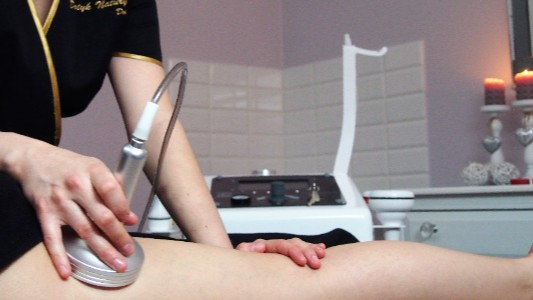
Cellulogia in Simple Terms
In simple terms, cellulogia can be understood as a cosmetic concept connected with improving the appearance of skin affected by cellulite.
However, consumers should be careful with broad claims. A brand name or treatment name does not automatically tell you:
- Which technology is being used
- Whether the treatment is FDA-cleared
- Whether clinical research supports the specific device
- How many sessions are recommended
- How long results may last
- What side effects can occur
- Whether the treatment actually reduces fat or only changes skin appearance
For this reason, understanding the actual procedure is more useful than judging a treatment by its name alone.
Why Is Cellulogia Becoming Popular?
Interest in non-invasive cosmetic procedures has increased because many people want visible improvements without traditional surgery.
Surgical procedures can involve anesthesia, incisions, recovery time, and greater medical risk. Non-invasive treatments generally aim to work through the skin without surgical incisions.
This does not mean that non-invasive procedures are risk-free. It means that the method of treatment is different.
Several factors may explain the interest in treatments such as cellulogia.
Minimal or No Incisions
Non-invasive treatments generally do not require surgical cuts into the skin.
This can make them attractive to people who do not want an invasive procedure.
Limited Downtime
Many non-invasive cosmetic procedures allow people to return to normal activities relatively quickly. The amount of downtime depends on the specific technology and treatment intensity.
Focus on Skin Appearance
Many cellulite treatments focus on improving the appearance of the skin rather than promising major weight loss.
This distinction is important.
Someone can have a healthy body weight and still have visible cellulite.
Growing Cosmetic Technology
Modern aesthetic medicine includes several technologies that may be used for body contouring or cellulite appearance, including:
Also Read: Myreadignmnaga: A Complete Guide
- Radiofrequency
- Acoustic wave therapy
- Laser-based treatments
- Vacuum-assisted treatments
- Mechanical massage
- Cryolipolysis for certain fat-reduction goals
- Ultrasound-based technologies
- Injectable treatments for selected cosmetic indications
Not every technology treats cellulite in the same way.
What Causes Cellulite?
To understand treatments such as cellulogia, it helps to understand cellulite itself.
Under the skin are layers of fat, connective tissue, blood vessels, nerves, and other structures. Connective tissue forms a network that helps hold the skin and underlying tissues together.
In areas affected by cellulite, bands of connective tissue can pull the skin downward while underlying fat pushes upward. This interaction can create the familiar dimpled appearance.
Genetics
Genetics can influence how likely someone is to develop visible cellulite.
Genes may affect:
- Skin structure
- Fat distribution
- Metabolism
- Connective tissue
- Circulation
- Hormonal responses
This helps explain why two people with similar body weights can have very different levels of visible cellulite.
Age
Cellulite may become more noticeable as people age.
Skin can gradually lose some collagen and elasticity. Thinner or less elastic skin may make underlying changes more visible.
Hormones
Hormonal changes may also influence fat distribution and connective tissue.
This is one reason cellulite is particularly common in women, although men can develop it too.
Body Composition
Having more body fat can make cellulite more noticeable in some people. However, cellulite is not limited to people who are overweight.
Athletes and people with relatively low body fat can also have cellulite.
Skin Elasticity
Healthy-looking skin depends partly on collagen, elastin, hydration, and overall tissue structure.
Changes in these characteristics may affect how cellulite appears on the surface.
How Do Non-Invasive Cellulogia Treatments Work?
There is no single mechanism that can be assigned to every treatment marketed under the term cellulogia. The actual mechanism depends on the specific procedure.
Some cosmetic technologies attempt to improve cellulite appearance by affecting connective tissue, skin structure, circulation, or localized fat.
Radiofrequency
Radiofrequency devices use electromagnetic energy to produce controlled heating in tissue.
Depending on the device and its intended use, this heating may be designed to:
- Warm deeper tissue
- Stimulate changes in collagen
- Improve skin firmness
- Alter the appearance of cellulite
- Support body contouring
The results depend heavily on the technology and treatment protocol.
Acoustic Wave Therapy
Acoustic or shockwave-style technologies use mechanical energy delivered through the skin.
These treatments may be used in some settings to improve the appearance of cellulite by influencing tissue structure and local circulation.
Multiple sessions are often used rather than relying on a single treatment.
Mechanical Massage and Vacuum Treatments
Some cellulite treatments use mechanical movement, suction, massage, or combinations of these approaches.
They may temporarily change:
- Fluid movement
- Tissue appearance
- Skin smoothness
However, temporary improvement should not automatically be interpreted as permanent removal of cellulite.
Laser-Based Treatments
Certain laser technologies are designed to affect skin or tissue beneath the skin.
Laser treatment is different from every other cosmetic technology, so consumers should ask exactly which laser is being used and what it has been cleared or approved to do.
Does Cellulogia Remove Cellulite Permanently?
There is an important difference between improving the appearance of cellulite and permanently eliminating cellulite.
Most cosmetic cellulite treatments should not be viewed as guaranteed permanent solutions.
Cellulite is influenced by anatomy, connective tissue, genetics, age, hormones, and body composition. These factors do not simply disappear after a cosmetic treatment.
A treatment may make skin look:
- Smoother
- Firmer
- More even
- Less dimpled
But results may vary between individuals and may change over time.
Some procedures require maintenance treatments.
This is why consumers should be cautious about claims promising permanent cellulite removal.
What Are the Potential Benefits of Cellulogia?
The potential benefits depend on the exact procedure.
Possible cosmetic goals may include:
Smoother-Looking Skin
The most common goal is improving the visual texture of skin.
Reduced Appearance of Dimples
Some treatments are designed specifically to make cellulite dimpling less noticeable.
Improved Body Contour
Certain technologies may also influence localized fat or tissue firmness, potentially changing the appearance of a treated body area.
Little Downtime
Depending on the procedure, people may be able to return to daily activities soon after treatment.
No Surgical Incisions
Non-invasive treatments generally avoid the incisions associated with surgical procedures.
What Cellulogia Cannot Do
One of the most important parts of cosmetic treatment education is understanding limitations.
Cellulogia should not automatically be considered:
- A weight-loss treatment
- A substitute for exercise
- A cure for obesity
- A cure for a medical condition
- A guarantee of perfect skin
- A permanent solution to cellulite
- A replacement for healthy nutrition
- A treatment that produces identical results for everyone
Cosmetic body contouring and weight management are different goals.
If someone wants significant weight loss, a cosmetic cellulite procedure is generally not the appropriate primary strategy.
Cellulogia vs. Weight Loss
This distinction is particularly important.
Weight loss means reducing overall body mass, usually through a sustained energy deficit created by nutrition, physical activity, or medical treatment when appropriate.
Cellulogia and other cellulite-focused cosmetic treatments are generally concerned with the visual appearance of specific areas.
A person can lose weight without eliminating cellulite.
Likewise, someone can have visible cellulite without needing to lose weight.
This is why cellulite should not automatically be treated as evidence that someone is unhealthy.
Who May Consider Cellulogia?
People may consider non-invasive cellulite treatments when they:
- Are generally healthy
- Have realistic cosmetic expectations
- Want to improve the appearance of localized cellulite
- Prefer a non-surgical approach
- Understand that results can vary
- Are willing to follow treatment recommendations
A consultation with a qualified medical professional can help determine whether a particular treatment is appropriate.
Who Should Be Careful?
Not everyone is a good candidate for every cosmetic technology.
Depending on the device or procedure, special precautions may apply to people with:
- Certain implanted medical devices
- Active skin infections
- Open wounds
- Some chronic medical conditions
- Pregnancy
- Certain medications
- Significant circulation problems
- Certain bleeding disorders
- Recent surgery
- Conditions affecting sensation in the treatment area
These are general examples, not a complete medical screening list.
The provider should review the person’s medical history before treatment.
Is Cellulogia Safe?
The safety of a treatment cannot be determined solely from its marketing name.
Safety depends on the actual device, technology, treatment settings, provider training, treatment area, and individual health history.
Possible temporary effects from certain non-invasive cosmetic procedures can include:
- Redness
- Swelling
- Tenderness
- Bruising
- Temporary discomfort
- Skin sensitivity
- Temporary changes in sensation
More serious complications can occur with some procedures, particularly when devices are used incorrectly or when inappropriate candidates are treated.
This is why professional assessment matters.
How to Choose a Cellulogia Provider
Choosing the provider may be as important as choosing the treatment.
Consumers should look beyond attractive before-and-after photos.
Ask What Technology Is Being Used
Do not stop at the name “cellulogia.”
Ask:
“What exact device or procedure will you use?”
The answer should be clear.
Ask About Training
Find out whether the provider has appropriate training for the specific device and procedure.
Ask About Expected Results
A responsible provider should explain what the treatment can realistically accomplish.
Be cautious if someone promises:
- Guaranteed results
- Permanent cellulite removal
- Immediate dramatic transformation
- Major weight loss
- Results identical to another person’s photographs
Ask About Side Effects
A legitimate consultation should include discussion of possible risks.
Ask About Maintenance
Some cosmetic treatments require repeated sessions or maintenance treatments.
Ask how long results are expected to last.
What Happens During a Typical Non-Invasive Treatment?
The exact process varies, but many cosmetic body-contouring treatments follow a similar general pattern.
Step 1: Consultation
The provider examines the treatment area and discusses your goals.
They may ask about:
- Medical history
- Medications
- Previous procedures
- Allergies
- Skin conditions
- Pregnancy status when relevant
- Implanted devices
Step 2: Treatment Planning
The provider identifies the area to be treated and chooses an appropriate protocol.
Step 3: Preparation
The skin may be cleaned, marked, or prepared according to the device instructions.
Step 4: Treatment
The device or technique is applied to the selected area.
The sensation varies depending on the technology. Some people may feel warmth, pressure, vibration, suction, cooling, or mild discomfort.
Step 5: Aftercare
The provider explains what to do after treatment.
Depending on the procedure, normal activities may resume quickly.
How Many Cellulogia Sessions Are Needed?
There is no universal number of sessions.
The required number depends on:
- The technology
- Treatment area
- Severity of cellulite appearance
- Individual response
- Treatment protocol
- Desired outcome
Some treatments are performed as a series rather than a single appointment.
Consumers should ask for a treatment plan before purchasing a package.
When Do Results Appear?
Results vary.
Some cosmetic procedures may produce temporary changes immediately, while other treatments may require time for tissue remodeling or other biological changes.
For treatments intended to affect collagen or skin structure, visible improvement may develop gradually.
This means that before-and-after comparisons should be made at appropriate time intervals.
Taking photographs under different lighting, angles, or poses can make results appear larger or smaller than they actually are.
How Long Do Results Last?
The durability of results depends on the procedure and individual factors.
Possible influences include:
- Age
- Weight changes
- Skin elasticity
- Genetics
- Hormonal changes
- Lifestyle
- The original cause of cellulite
- Whether maintenance treatments are used
Consumers should ask providers for realistic expectations rather than assuming that one treatment will permanently change the skin.
Cellulogia and Healthy Lifestyle Habits
Cosmetic treatment and healthy living can have different roles.
Regular physical activity can support:
- Muscle development
- Cardiovascular health
- Healthy body composition
- Mobility
- Overall well-being
Strength training can also change the appearance of the body by developing muscle beneath the skin.
A balanced diet supports general health and helps maintain a stable body weight.
However, healthy habits do not guarantee that cellulite will disappear.
That is an important point because cellulite is influenced by structural factors that exercise and nutrition cannot always completely change.
Can Exercise Get Rid of Cellulite?
Exercise can improve body composition and muscle tone, which may make cellulite less noticeable in some people.
Activities such as:
- Walking
- Running
- Cycling
- Swimming
- Squats
- Lunges
- Resistance training
can support overall fitness.
However, exercise does not necessarily eliminate the connective tissue structure responsible for cellulite.
Therefore, saying that exercise completely “cures” cellulite would be misleading.
Can Drinking Water Remove Cellulite?
Adequate hydration is important for general health.
Drinking enough fluids can help the body maintain normal physiological functions, but there is no reason to assume that simply drinking more water will permanently eliminate cellulite.
Claims that a specific drink can dissolve cellulite should be approached carefully.
Can Creams Treat Cellulite?
Some topical cosmetic products are marketed for cellulite.
Ingredients may include substances intended to temporarily improve the appearance of skin.
Results can vary significantly.
A cream applied to the skin generally works differently from a medical device that delivers energy into deeper tissue.
Consumers should distinguish between:
- Moisturizing the skin
- Temporarily improving skin texture
- Reducing the appearance of dimples
- Actually changing deeper connective tissue
These are not the same thing.
Cellulogia vs. Liposuction
Liposuction is a surgical procedure designed to remove localized fat.
A cellulite-focused non-invasive treatment has a different purpose.
Liposuction may change body contour, but removing fat does not necessarily eliminate cellulite and may not be appropriate for treating cellulite itself.
The two approaches should therefore not be viewed as interchangeable.
Cellulogia vs. Cellulite Massage
Massage-based approaches may temporarily improve the appearance of cellulite by changing fluid distribution or tissue appearance.
The effect may not be permanent.
Energy-based cosmetic procedures may work through different mechanisms.
Consumers should ask what evidence supports the specific technique rather than assuming that all cellulite treatments work the same way.
Cellulogia and Body Contouring
Body contouring generally refers to procedures designed to alter the shape or appearance of a particular body area.
Some body-contouring treatments target fat.
Others focus more on skin tightening or cellulite.
Some technologies may attempt to address more than one concern.
Also Read:Goonierne 2: Is It a Game? Safety, Privacy, and More
Before treatment, ask:
“Is this procedure intended to reduce fat, tighten skin, improve cellulite, or do more than one of these?”
That simple question can prevent unrealistic expectations.
Understanding Before-and-After Photos
Before-and-after photos can be useful, but they need careful interpretation.
Differences in the following can dramatically change appearance:
- Lighting
- Camera angle
- Body position
- Muscle tension
- Clothing
- Skin hydration
- Image editing
- Time between photographs
When evaluating cosmetic results, look for photographs taken under similar conditions.
Also ask whether the images represent typical outcomes or unusually successful cases.
Cost of Cellulogia Treatment
There is no single nationwide price for cellulogia.
Cost can depend on:
- Geographic location
- Provider experience
- Technology used
- Treatment area
- Number of sessions
- Clinic pricing
- Maintenance treatments
- Whether multiple areas are treated
In the United States, cosmetic procedures are often paid out of pocket because elective aesthetic treatments are generally not covered by standard health insurance.
Before paying for a package, ask for the complete cost.
The quoted price should ideally make clear whether it includes:
- Consultation
- Treatment sessions
- Follow-up appointments
- Maintenance treatments
- Additional fees
Is Cellulogia Covered by Insurance?
Cosmetic treatments intended only to improve appearance are generally not covered by health insurance.
However, coverage rules depend on the exact procedure and medical circumstances.
If a provider describes a treatment as medically necessary, ask for clear documentation explaining the medical reason and whether your insurer has confirmed coverage.
Do not assume that an aesthetic procedure will be reimbursed.
How to Evaluate Cellulogia Claims Online
Online searches can produce a mixture of medical information, advertisements, social media posts, testimonials, and affiliate content.
This makes digital literacy important.
When researching cellulogia, ask:
- Who published the information?
- Is the author identified?
- Is the information based on clinical evidence?
- Does the page clearly identify the treatment technology?
- Are risks discussed?
- Are limitations discussed?
- Does the website make guaranteed claims?
- Is the content selling a product or service?
- Are before-and-after images independently verified?
- Is the information current?
A website that only discusses benefits while ignoring risks deserves additional scrutiny.
How to Check FDA Information
For treatments available in the United States, consumers may want to learn whether the specific device has been cleared, approved, or otherwise authorized for the particular intended use.
The important word is “specific.”
A device may have authorization for one use that does not automatically mean it is authorized for every claim a clinic makes about it.
Consumers can ask the provider for:
- Device manufacturer
- Exact device name
- Model
- Intended use
- Regulatory status
This provides much better information than simply relying on a treatment’s commercial name.
Red Flags to Watch For
Some marketing claims should encourage consumers to ask more questions.
Be cautious about statements such as:
- “Permanent cellulite removal”
- “Guaranteed results”
- “No risk”
- “Works for everyone”
- “Lose several pounds instantly”
- “Detoxes your body”
- “Clinically proven” without identifying the evidence
- “FDA approved” without identifying the exact device and indication
A trustworthy cosmetic provider should be willing to explain both benefits and limitations.
The Difference Between Evidence and Testimonials
A testimonial is a person’s experience.
It can be genuine and still not prove that a treatment works consistently for everyone.
Clinical evidence uses structured methods to evaluate safety and effectiveness across groups of people.
When evaluating cellulogia, consider the evidence hierarchy.
A personal testimonial provides information about one person’s experience.
A large, well-designed clinical study provides stronger evidence about average outcomes.
This does not mean individual experiences are worthless. It means they should not be treated as a substitute for clinical evidence.
Is Cellulogia a Medical Treatment or Cosmetic Treatment?
The answer depends on the exact procedure being marketed under the term.
Many cellulite treatments are cosmetic procedures intended to change appearance rather than treat disease.
That distinction matters because cosmetic procedures may have different regulatory, insurance, and clinical considerations than treatments intended to manage a medical condition.
Consumers should ask exactly what the provider considers the procedure to be.
Privacy Considerations When Researching Cosmetic Treatments
People often upload photographs or personal information when seeking cosmetic advice online.
This creates privacy considerations.
Before uploading images, ask:
- Who can see the images?
- Will the company store them?
- Can the images be used in advertising?
- Can the images be deleted?
- Are they shared with third parties?
- Is your name attached to them?
Avoid sending sensitive personal information to unknown websites or social media accounts.
If a clinic asks for photographs, read its privacy policy and consent terms.
Legal and Consumer Protection Considerations
Cosmetic businesses in the United States are subject to various federal, state, and local requirements.
Rules can differ depending on:
- The procedure
- Device type
- Provider credentials
- State regulations
- Advertising claims
Consumers should also understand that phrases such as “doctor recommended” or “clinically proven” can have very different meanings depending on how they are used.
If a company makes unusually strong claims, look for independent evidence.
What Makes a Cellulogia Treatment Provider Trustworthy?
A trustworthy provider should generally be willing to:
- Explain the procedure clearly
- Identify the equipment being used
- Discuss realistic outcomes
- Explain risks
- Review medical history
- Answer questions
- Explain pricing
- Provide aftercare instructions
- Avoid guaranteeing results
Good communication is an important part of cosmetic care.
A person should never feel pressured to purchase a package during the first consultation.
Questions to Ask Before Booking
Before scheduling treatment, consider asking:
What exact treatment am I receiving?
Ask for the device or procedure name.
What is the treatment designed to do?
Find out whether the goal is cellulite improvement, fat reduction, skin tightening, or another cosmetic effect.
How many treatments will I need?
Ask whether the recommendation is based on clinical evidence or simply a standard package.
What results are realistic?
Ask for typical rather than best-case outcomes.
What are the risks?
Make sure potential side effects are explained.
How long might results last?
Ask whether maintenance sessions are expected.
Who will perform the procedure?
Confirm the provider’s training and credentials.
What happens if I am not satisfied?
Ask about follow-up care and refund or cancellation policies before paying.
Common Misconceptions About Cellulogia
Several misunderstandings can make cosmetic decisions more difficult.
Misconception 1: Cellulite Means Someone Is Overweight
Not necessarily.
People with different body sizes and fitness levels can have cellulite.
Misconception 2: Cellulite Can Always Be Permanently Removed
There is no universal guarantee of permanent elimination.
Misconception 3: Non-Invasive Means Risk-Free
Non-invasive procedures can still produce side effects or complications.
Misconception 4: Expensive Means More Effective
Price does not automatically prove effectiveness.
Misconception 5: A Before-and-After Photo Proves a Treatment Works
A photograph can show a visual difference, but it does not establish whether the procedure caused the difference or whether the result is typical.
Misconception 6: Cosmetic Treatment Replaces Healthy Habits
It does not.
Exercise, nutrition, sleep, and general health remain important regardless of whether someone chooses cosmetic treatment.
How to Make a Responsible Decision About Cellulogia
A useful decision-making process has several steps.
First, identify the exact problem you want to address.
Is it:
- Cellulite?
- Localized fat?
- Loose skin?
- Body shape?
- Skin texture?
Second, identify the exact treatment.
Third, research the evidence for that specific treatment.
Fourth, understand the risks.
Fifth, compare expected benefits with cost.
Finally, decide whether the expected cosmetic improvement is worth the expense and possible side effects for you.
This approach is more reliable than choosing a treatment simply because it is popular online.
Also Read: Mariana Holert: Biography, Career, Pilates, Yoga, and Wellness Journey
Cellulogia: A Practical Checklist
Before booking, use this checklist:
- I know the exact treatment being offered.
- I know the device or technology being used.
- I understand what the procedure can and cannot do.
- I have discussed my medical history with the provider.
- I understand possible side effects.
- I know how many sessions are expected.
- I understand the total cost.
- I know whether maintenance treatments may be needed.
- I have reviewed the provider’s credentials.
- I am not relying only on social media testimonials.
- I understand that results vary.
- I have realistic expectations.
Frequently Asked Questions About Cellulogia
1. Can cellulogia be used on the face?
Not necessarily. Body-contouring and cellulite technologies are usually designed for particular body areas and specific tissue depths. A treatment intended for the thighs or buttocks should not automatically be used on the face. The exact device instructions and intended treatment areas should always be checked with a qualified provider.
2. Can cellulogia be combined with other cosmetic procedures?
Some cosmetic treatments may be combined, but doing so is not automatically appropriate. Combining procedures can change the risks, recovery requirements, and total cost. A qualified provider should determine whether treatments can safely be performed together and whether there is evidence supporting the combination.
3. Does age determine whether someone can receive cellulogia?
Age alone does not determine suitability for every cosmetic procedure. Health status, skin condition, medications, treatment goals, and the specific technology are also important. Cosmetic procedures may have age-related restrictions or additional considerations, particularly for younger patients.
4. Can cellulite return after a non-invasive treatment?
Yes. Improving the appearance of cellulite does not necessarily remove the underlying factors that contribute to cellulite. Changes related to aging, body composition, skin elasticity, hormones, and connective tissue can affect appearance over time. Some treatments may therefore require maintenance.
5. Should someone lose weight before cellulogia treatment?
There is no universal requirement that someone lose weight before a cellulite-focused treatment. The appropriate approach depends on the person’s health, goals, and the specific procedure. Because cellulite can occur at many body weights, weight loss is not automatically necessary to address its appearance.
Conclusion
Cellulogia is a term associated with growing interest in non-invasive cosmetic approaches for improving the appearance of cellulite and creating smoother-looking skin. The appeal is understandable: many people want cosmetic improvement without surgery, large incisions, or extended recovery.
However, the most important lesson is that the name of a treatment does not tell you everything about how it works or whether it is appropriate for you.
Before choosing cellulogia, identify the exact technology being offered. Ask what it is designed to treat, what evidence supports it, what results are realistic, how long results may last, and what risks are possible. It is also important to understand that cellulite is a common structural feature of skin and connective tissue. It is not simply a sign of excess weight or poor health.
A responsible approach combines realistic expectations, professional guidance, evidence-based information, and careful consideration of cost and safety. Non-invasive does not mean risk-free, and an attractive before-and-after photograph does not guarantee the same result for everyone.
For anyone researching cellulogia in the United States, the best starting point is not a promise of perfect skin. It is a clear understanding of the specific procedure, its potential benefits, its limitations, and whether the expected improvement matches your personal goals.