Kuarden: A Complete Guide to the AI, Blockchain, and Digital Commerce Ecosystem
Kuarden is an emerging Web3 project that aims to connect artificial intelligence, blockchain technology, cryptocurrency payments, and online shopping into one digital commerce ecosystem. At the center of the project is the KRN token, which is presented as a utility asset for payments, platform access, rewards, and other activities across the Kuarden ecosystem.
The idea behind Kuarden is easy to understand. Traditional online shopping is convenient, but it can feel flat, impersonal, and sometimes difficult to trust. Customers often have questions about sellers, reviews, product quality, payment security, and returns. Kuarden is designed around the idea that blockchain can improve transparency while artificial intelligence can make shopping more personal and interactive.
One of the most ambitious parts of the project is the proposed Kuarden Digital Mall. Instead of browsing a simple list of products, users are expected to enter a more immersive digital environment where virtual stores, AI shopping assistants, product visualization, and blockchain-based transactions work together.
However, Kuarden should also be viewed carefully. Much of its value proposition is based on planned technology and future adoption rather than the same level of established usage seen with mature e-commerce companies or major cryptocurrencies. That distinction is important for anyone researching Kuarden, KRN, or the project’s long-term potential.
This guide explains what Kuarden is, how the ecosystem is designed to work, what the KRN token is intended to do, how its digital mall could change online shopping, and what users should consider before interacting with an early-stage crypto project.
What Is Kuarden?
Kuarden is presented as a blockchain-based commerce ecosystem that combines AI, cryptocurrency, decentralized finance concepts, and immersive digital shopping.
The project’s central idea is not simply to create another cryptocurrency. Instead, Kuarden describes KRN as a utility token connected to a broader commerce platform. The project has promoted features such as digital payments, currency conversion, merchant tools, AI-powered shopping, virtual product experiences, and a digital mall.
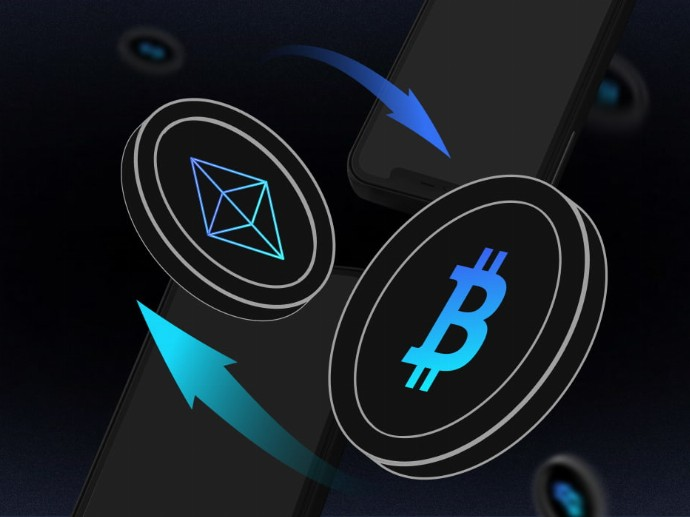
A project whitepaper describes Kuarden as an on-chain decentralized exchange and payment service designed to make token conversion and payments easier for users and merchants. It proposes allowing users to convert one supported token into another during a payment without requiring a traditional order-book exchange model.
More recent Kuarden-related material focuses heavily on e-commerce and the proposed Digital Mall. The concept combines a 3D shopping environment with AI-powered recommendations and blockchain-based payment infrastructure.
Also read:Soutaipasu: Meaning, Mental Anchor, Calm Thinking, and How to Use It in Daily Life
This makes Kuarden different from a cryptocurrency whose primary purpose is simply transferring value. Its broader ambition is to use a token as part of a digital retail infrastructure.
In simple terms, Kuarden can be understood as an attempt to build:
- A cryptocurrency-based payment ecosystem
- An AI-assisted shopping environment
- A blockchain-supported marketplace
- An immersive digital mall
- Tools for merchants and consumers
- A bridge between virtual shopping and physical products
The important point is that these are project goals and proposed functions. Users should distinguish between features described in project materials and features that are independently demonstrated at scale.
How Kuarden Works
The Kuarden concept brings several technologies together rather than relying on one feature.
The first component is blockchain. Blockchain technology can create a public and verifiable record of transactions. In a commerce environment, this can potentially improve transparency around payments, merchant activity, and other forms of digital information.
The second component is artificial intelligence. AI can analyze information such as product preferences, browsing behavior, and shopping patterns to provide personalized recommendations.
The third component is cryptocurrency. KRN is intended to act as an important utility asset within the ecosystem.
The fourth component is immersive commerce. Instead of limiting customers to conventional product pages, Kuarden proposes a virtual shopping environment where users can explore stores and interact with products in a more visual way.
The fifth component is real-world fulfillment. The project’s published material describes a model in which users can discover and purchase physical products through a digital environment.
The interesting part is how these technologies could reinforce each other.
AI can improve discovery.
Blockchain can improve transaction transparency.
Cryptocurrency can provide a digital payment layer.
Immersive interfaces can improve product exploration.
Physical fulfillment can connect the virtual environment to everyday shopping.
That combination is the main reason Kuarden has attracted attention.
Kuarden and the KRN Token
KRN is the token associated with the Kuarden ecosystem.
Project descriptions present KRN as a utility token rather than simply an asset intended for speculation. Proposed uses include transactions, platform access, rewards, staking, and governance-related functions. Some third-party project listings also describe KRN as the primary access token for a planned crypto-commerce marketplace.
The role of a utility token is important because a token becomes more meaningful when people actually need or want to use it.
For example, if customers use KRN to pay for products, merchants use it for platform services, and users need it to unlock specific features, the token has a practical role within the ecosystem.
But there is an important difference between intended utility and proven utility.
A project may describe many future uses for a token, but the real test is whether those functions become available, reliable, widely used, and economically sustainable.
For this reason, people researching Kuarden should look at actual platform development and adoption rather than focusing only on promotional descriptions.
What Is the Kuarden Digital Mall?
The Kuarden Digital Mall is one of the project’s most distinctive ideas.
Traditional e-commerce usually works through websites and applications. Customers search for products, look at photographs, read descriptions, compare prices, and place orders.
Kuarden proposes a more immersive model.
Instead of opening a conventional product page, users could enter a digital shopping environment containing virtual stores and interactive products.
The project describes this environment as a hyper-realistic digital mall powered by AI and blockchain. Published descriptions mention three-dimensional storefronts, AI shopping assistants, virtual product experiences, and connections between digital purchases and physical goods.
This approach is sometimes described as phygital commerce because it combines physical and digital experiences.
The customer is digitally exploring the store, but the product can ultimately exist in the real world.
That distinction could be important.
The value of immersive commerce is not simply making shopping look more impressive. A successful system would need to make shopping easier, faster, more informative, and more enjoyable than existing platforms.
That is the real challenge Kuarden must solve.
AI Shopping Assistants in Kuarden
One proposed feature is the use of AI commerce agents.
A traditional online store generally requires customers to search, filter, compare, and make decisions themselves.
An AI shopping assistant can potentially reduce that work.
For example, a shopper could tell an AI assistant:
“I need a comfortable pair of running shoes under $100 for daily training.”
Instead of displaying thousands of unrelated products, the assistant could analyze the customer’s requirements and narrow the options.
Kuarden’s published descriptions say its AI agents are intended to study preferences, previous purchases, and real-time behavior to provide personalized recommendations.
This approach has several potential advantages.
First, it can save time.
Second, it can make product discovery more personalized.
Third, it can help merchants present relevant products to customers.
Fourth, it could make a large digital marketplace easier to navigate.
However, AI recommendations also create challenges.
An AI system can recommend products incorrectly.
It can misunderstand customer preferences.
It can produce biased recommendations.
It can also raise privacy questions when personal shopping behavior is analyzed.
Therefore, the quality of Kuarden’s AI system would depend not just on how advanced the technology sounds but on how accurately, transparently, and responsibly it operates.
Virtual Try-On and Visual Shopping
Another proposed feature is virtual try-on technology.
Online shoppers frequently face a basic problem: they cannot physically inspect a product before buying it.
This is particularly important for clothing, accessories, cosmetics, furniture, and other visually dependent products.
A virtual environment could allow customers to see how an item might look before placing an order.
Kuarden-related publications describe virtual avatars and visual AI that could allow users to explore products and virtually try certain items.
The potential business advantage is significant.
If customers have better information before buying, they may make fewer incorrect purchases.
That could reduce returns.
Lower returns can benefit both consumers and merchants because returns create shipping, handling, restocking, and customer-service costs.
Still, virtual try-on should not be confused with perfect physical accuracy.
A digital representation may not perfectly reproduce fabric, lighting, color, size, texture, or fit.
The technology therefore needs to complement product information rather than replace it.
Kuarden and Blockchain-Based Trust
Trust is one of the biggest problems in online commerce.
Customers want to know:
Is this seller legitimate?
Are the reviews genuine?
Will the product arrive?
Is the payment secure?
Will the merchant honor the return policy?
Blockchain does not automatically solve these problems, but it can provide a transparent record for information that is actually placed on-chain.
Kuarden-related materials propose recording merchant transaction history, return information, and customer-review data on blockchain infrastructure.
This could create a more transparent merchant reputation system.
Imagine being able to inspect a seller’s historical performance rather than relying only on a star rating.
A reputation system could potentially consider:
- Completed transactions
- Customer feedback
- Return activity
- Dispute history
- Merchant performance
- Verified interactions
The important limitation is that blockchain can preserve information, but it cannot automatically guarantee that the original information is truthful.
If inaccurate information is entered into a blockchain, the fact that it is stored permanently does not make it true.
This is why Kuarden’s proposed AI verification and blockchain systems would need to work together carefully.
Kuarden Pay
Kuarden Pay is presented as a payment component of the ecosystem.
The goal is to make cryptocurrency payments easier for users and merchants.
According to project-related material, Kuarden Pay is designed to support fast blockchain-based settlement and connect with the project’s currency conversion infrastructure.
This addresses an important problem in crypto commerce.
Consumers may own different cryptocurrencies, while merchants may prefer receiving a specific asset.
A useful payment system needs to make that difference less complicated.
If Kuarden can successfully create a simple interface for this process, it could reduce some of the friction associated with cryptocurrency payments.
The real measure of success, however, would be usability.
Most ordinary shoppers do not want to think about blockchain networks, wallet addresses, gas fees, token swaps, and transaction confirmations while purchasing a product.
A successful commerce system should hide unnecessary technical complexity.
Kuarden Currency Exchange Protocol
Kuarden-related documents and publications describe a currency conversion mechanism, including references to KCEP, the Kuarden Currency Exchange Protocol.
The broader concept is to help users and merchants convert between supported digital assets at competitive rates.
The project’s whitepaper also describes an exchange and payment model intended to provide users with a known conversion rate before completing a transaction.
This is potentially useful because cryptocurrency markets are fragmented.
A customer may hold one token while a merchant wants another.
A conversion layer can act as a bridge between them.
However, exchange systems involve important technical and financial risks.
Liquidity matters.
Slippage matters.
Security matters.
Smart-contract design matters.
Market volatility matters.
Therefore, a conversion protocol should be evaluated based on actual implementation, audits, liquidity, execution quality, and security history rather than its concept alone.
KRN Token Utility
The proposed utility of KRN is broader than simple buying and selling.
Published descriptions have associated KRN with several functions, including transactions, staking, platform access, rewards, and governance.
Potential utility can be grouped into several categories.
Payments
KRN is intended to function as a payment asset within the Kuarden ecosystem.
This could allow users to purchase products and services without relying entirely on traditional payment networks.
Platform Access
KRN may also be used to access specific ecosystem features.
This creates a relationship between holding the token and using the platform.
Rewards
Some project materials describe rewards associated with participation and staking.
Rewards can encourage users to remain active, although reward systems must be economically sustainable.
Governance
Token-based governance can give holders an opportunity to participate in decisions about a decentralized platform.
However, governance is only meaningful when the community actually has defined powers and transparent voting procedures.
Merchant Services
KRN may also be integrated into merchant tools and payment infrastructure.
This could give the token a role beyond individual users and connect it to commercial activity.
Kuarden Tokenomics
Tokenomics refers to how a cryptocurrency’s supply is created, distributed, released, and used.
This is an important part of researching any crypto project.
Third-party listings for Kuarden have reported a total supply of 1 billion KRN and have described allocations for areas such as presale, public release, team and advisors, staking, liquidity, and marketing.
However, readers should be careful when comparing tokenomics information across websites.
Different pages can contain outdated information, promotional claims, or different versions of project data.
For that reason, investors should verify the latest official token allocation, vesting schedule, contract address, circulating supply, and release schedule before making financial decisions.
A token’s total supply alone does not tell you whether it is valuable.
What matters is the relationship between supply, demand, utility, liquidity, adoption, and future token emissions.
Why Token Supply Matters
Suppose a project has a large maximum supply.
That is not automatically good or bad.
If demand grows faster than the available supply, scarcity can potentially become important.
But if a large number of tokens enter circulation while demand remains weak, the market can experience selling pressure.
This is why token unlocks matter.
Team allocations also deserve attention.
If team tokens are locked for a specific period, investors should understand when those tokens become available.
The same applies to presale allocations, ecosystem funds, marketing allocations, and staking rewards.
For Kuarden, anyone considering KRN should study these factors before making assumptions about future price performance.
Kuarden and E-Commerce
The biggest strategic idea behind Kuarden is its attempt to connect cryptocurrency with actual commerce.
Many crypto projects focus on financial applications.
Kuarden instead emphasizes shopping and retail.
That creates an interesting opportunity.
People already understand online shopping.
They may not understand decentralized finance.
By connecting blockchain technology to something familiar, a commerce platform could potentially make Web3 easier for ordinary consumers.
But there is another side.
People already have extremely convenient shopping platforms.
Consumers can buy products with cards, mobile payments, digital wallets, and other familiar methods.
Therefore, Kuarden cannot succeed simply by being based on blockchain.
It must offer a meaningful improvement.
That improvement could come from better personalization, immersive shopping, lower transaction costs, stronger merchant transparency, or a combination of these features.
Why the Digital Mall Could Matter
The idea of a digital mall is not valuable merely because it is 3D.
Three-dimensional environments have existed for years.
The stronger argument is that a digital mall could combine several technologies into one shopping experience.
Imagine entering a virtual retail environment.
An AI assistant understands what you want.
You can inspect products visually.
You can compare sellers.
You can check verified transaction information.
You can use a crypto wallet to pay.
The merchant receives settlement.
The physical product is delivered to your address.
That is a more complete vision than simply creating a virtual shopping website.
The challenge is execution.
Every part of this experience needs to work reliably.
If the virtual environment is slow, users may leave.
If product information is inaccurate, customers may lose trust.
If payment is complicated, shoppers may return to traditional checkout.
If physical fulfillment fails, the digital experience becomes irrelevant.
This is why Kuarden’s long-term success depends on practical performance rather than technology branding alone.
Benefits of Kuarden for Consumers
Kuarden’s proposed model could provide several advantages for shoppers.
More Personalized Shopping
AI can potentially reduce the time required to search through large product catalogs.
Immersive Product Discovery
A digital mall may feel more interactive than a standard online store.
Cryptocurrency Payments
Users could potentially use digital assets to purchase goods.
Transparent Merchant Information
Blockchain-based records could provide additional information about seller activity.
Virtual Product Visualization
Virtual try-on features could improve buying confidence for certain product categories.
Global Commerce
A blockchain payment layer could potentially make cross-border commerce easier.
These benefits remain dependent on implementation and adoption.
Benefits for Merchants
Merchants could also gain from the proposed ecosystem.
A digital marketplace could provide access to new customers.
AI tools could help merchants understand consumer preferences.
Also read:Schoology Alfa: Complete Guide to the Learning Platform, Features, Login, Benefits, and Student Use
Blockchain-based reputation systems could help reliable sellers demonstrate their history.
Crypto payment infrastructure could provide another payment option.
Immersive stores could provide a more distinctive brand experience.
The biggest opportunity may be for smaller businesses.
Large retailers can spend enormous amounts on advertising, technology, customer support, and digital infrastructure.
If Kuarden provides affordable tools that help smaller merchants compete online, the platform could create meaningful value.
Kuarden for Small Businesses
Small businesses often struggle with three major problems: visibility, payment costs, and customer trust.
A marketplace that helps solve these problems could be attractive.
For example, a small fashion company could create a digital store inside a virtual mall.
Customers could use AI recommendations to discover the products.
Virtual try-on could help customers evaluate clothing.
The transaction could be completed through the platform.
The merchant could then fulfill the physical order.
This is the type of experience that gives Kuarden’s concept practical meaning.
The technology should serve the merchant and customer rather than become the product itself.
Kuarden and Global Payments
Cross-border shopping is complicated.
Different countries use different currencies.
Payment providers have different fees.
Banks can take time to process international transactions.
Currency conversion can add another layer of cost.
Crypto can potentially reduce some of these barriers because blockchain networks operate across borders.
However, cryptocurrency does not eliminate all international commerce problems.
Merchants still need to handle taxes, shipping, customs, refunds, consumer protection, identity requirements, and local regulations.
Therefore, Kuarden’s payment technology could address one part of the problem, but a complete global marketplace requires much more infrastructure.
Security Considerations
Security is one of the most important issues for Kuarden and any blockchain project.
A user can lose funds through several different routes.
These include:
- Fake websites
- Phishing links
- Malicious wallet connections
- Fake token contracts
- Compromised private keys
- Smart-contract vulnerabilities
- Fake social-media accounts
- Impersonation scams
Users should never assume that a website or token is legitimate simply because it uses the Kuarden name.
The safest approach is to verify contract addresses and official channels independently.
A cryptocurrency transaction can also be difficult or impossible to reverse.
That means users should be especially careful before sending funds.
Is Kuarden Safe?
There is no simple yes-or-no answer.
The project should be evaluated as an early-stage crypto ecosystem with significant technical, market, execution, and regulatory risks.
The existence of a whitepaper does not guarantee successful implementation.
The presence of a token does not guarantee future value.
A project website does not guarantee safety.
Likewise, an ambitious technology roadmap does not guarantee adoption.
Anyone considering Kuarden should independently examine:
- The official token contract
- Smart-contract audits
- Development activity
- Team transparency
- Token distribution
- Vesting schedules
- Liquidity
- Exchange availability
- Actual platform functionality
- Community activity
- Legal and regulatory disclosures
This approach is much more useful than relying on social-media hype.
Kuarden and Investment Risk
KRN should not be treated as a guaranteed investment.
Cryptocurrency markets can move rapidly in both directions.
Early-stage tokens can experience especially large price changes because liquidity may be limited and market sentiment can change quickly.
There is also execution risk.
Kuarden’s long-term value depends heavily on whether the proposed commerce ecosystem becomes functional and attracts users and merchants.
If the platform fails to reach meaningful adoption, token utility may remain limited.
There is also competition.
Kuarden is not operating in an empty market.
It would compete indirectly with established e-commerce platforms, payment providers, crypto payment systems, AI shopping tools, and emerging Web3 marketplaces.
This makes execution particularly important.
Kuarden’s Competitive Challenge
The strongest competitors may not necessarily be other cryptocurrency projects.
Traditional technology companies already have huge customer bases.
They have established payment systems, logistics networks, product catalogs, customer service departments, and trusted brands.
This gives them a major advantage.
For Kuarden to compete, it needs a reason for customers to switch.
That reason might be a combination of:
- Better AI recommendations
- More immersive shopping
- Lower payment costs
- Stronger transparency
- Crypto-native features
- Better merchant economics
- Unique digital experiences
One feature alone may not be enough.
The ecosystem needs to work as a complete product.
The Importance of User Experience
A major lesson from technology adoption is that users rarely care about technical architecture by itself.
Most shoppers do not care whether a transaction uses a particular blockchain.
They care whether the product arrives.
They care whether the checkout works.
They care whether the price is good.
They care whether returns are easy.
They care whether the seller is trustworthy.
This means Kuarden should make blockchain technology almost invisible to ordinary customers.
The best Web3 commerce experience would allow users to benefit from blockchain without requiring them to understand blockchain.
That could be one of the most important factors in the project’s future.
Kuarden and AI: Opportunity and Risk
AI can make shopping smarter, but it also introduces new risks.
An AI recommendation system may prioritize certain merchants.
It may misunderstand user preferences.
It may use incomplete product data.
It may accidentally promote low-quality products.
Privacy is another concern.
If AI analyzes browsing behavior and purchase history, users need to understand what information is collected and how it is used.
For Kuarden, trust will therefore depend on both blockchain transparency and responsible AI design.
These technologies solve different problems.
Blockchain can help with verifiable records.
AI can help with interpretation and personalization.
Neither technology should be treated as a magic solution.
What Makes Kuarden Interesting?
The most interesting part of Kuarden is not KRN by itself.
The larger idea is the attempt to combine several emerging technologies into a commerce ecosystem.
AI is changing product discovery.
Blockchain is changing digital ownership and payments.
Virtual environments are changing how people interact with digital spaces.
Cryptocurrency is creating new payment models.
E-commerce is becoming increasingly personalized.
Kuarden sits at the intersection of these trends.
That does not guarantee success, but it explains why the concept has attracted attention.
What Could Make Kuarden Successful?
Several factors could improve the project’s chances.
The first is a working product.
A functioning Digital Mall would be much more meaningful than a roadmap.
The second is merchant adoption.
Without real sellers and useful products, a marketplace cannot become valuable.
The third is customer adoption.
Merchants need customers, and customers need reasons to visit.
The fourth is reliable fulfillment.
Physical products must actually arrive as promised.
The fifth is simple payments.
Customers should not need advanced crypto knowledge to complete purchases.
The sixth is strong security.
A single major security failure could seriously damage trust.
The seventh is transparent communication.
Clear information about token supply, development, partnerships, and milestones can help users make informed decisions.
What Could Hurt Kuarden?
The opposite factors could create serious problems.
A delayed Digital Mall could reduce confidence.
Low merchant adoption could make the platform feel empty.
Poor AI recommendations could frustrate users.
High transaction costs could undermine the payment proposition.
Token inflation could create selling pressure.
Security vulnerabilities could lead to financial losses.
Regulatory changes could affect how the platform operates.
Strong competition could make customer acquisition expensive.
These risks are not unique to Kuarden, but they are important when evaluating an emerging crypto-commerce project.
How to Research Kuarden Before Using It
Anyone interested in Kuarden should conduct basic due diligence.
Start with the official project information and compare it with independent sources.
Check the token contract carefully.
Do not copy an address from a random social-media post.
Review available audits.
Look for clear information about token allocation.
Check whether promised products are actually live.
Look at the project’s development progress rather than only marketing claims.
Search for independent discussions and criticism as well as positive coverage.
This balanced approach can help reduce the risk of making decisions based on promotional content.
Kuarden Roadmap and Development
Kuarden-related publications have described development stages involving presale activity, token launch, exchange availability, and development of the Digital Mall. One 2026 overview reported a roadmap that included a Digital Mall beta as a planned milestone.
Roadmaps should always be treated as plans rather than guarantees.
A roadmap becomes meaningful when users can independently verify completed milestones.
For example, there is a major difference between saying “Digital Mall development has started” and providing a working public beta that users can actually test.
The same principle applies to exchange listings, payment systems, AI features, merchant integrations, and physical fulfillment.
The strongest evidence of progress is working technology.
Kuarden in 2026
In 2026, the broader technology market is increasingly focused on AI agents, digital payments, immersive interfaces, and blockchain applications.
That environment gives Kuarden a potentially relevant market narrative.
AI agents are becoming more capable.
Consumers are becoming comfortable with personalized recommendations.
Digital payments are normal.
Virtual experiences continue to develop.
Blockchain infrastructure is becoming more mature.
These trends support the general direction of Kuarden’s concept.
But market timing alone is not enough.
Many projects have entered attractive markets and still failed because their products did not achieve adoption.
Kuarden’s next major test is therefore practical execution.
Who Might Be Interested in Kuarden?
Kuarden may attract several types of users.
Crypto users may be interested in its KRN token and blockchain payment ecosystem.
Technology enthusiasts may be interested in its AI and immersive commerce concepts.
Merchants may be interested in another digital sales channel.
Developers may be interested in its proposed payment and marketplace infrastructure.
Investors may be interested in the project’s potential growth.
However, each group should evaluate Kuarden differently.
A shopper should focus on usability and consumer protection.
A merchant should focus on fees, customers, fulfillment, and tools.
A developer should focus on APIs, documentation, infrastructure, and security.
An investor should focus on tokenomics, liquidity, adoption, risks, and valuation.
Kuarden vs Traditional Online Shopping
Traditional e-commerce has one major advantage: simplicity.
You open a website, search for a product, add it to your cart, and pay.
Kuarden’s proposed environment is more ambitious.
It adds AI, blockchain, cryptocurrency, immersive environments, and potentially virtual product experiences.
That can create a richer experience.
But more technology can also create more complexity.
The ideal Kuarden experience should therefore make the technology feel simple rather than complicated.
If a customer can enter the platform, find a product, understand the seller, pay easily, and receive the product without thinking about the underlying blockchain, the technology is doing its job.
The Bigger Idea Behind Kuarden
The deeper idea behind Kuarden is that e-commerce could become more interactive and intelligent.
Today’s online shopping model is largely based on pages, images, search boxes, and recommendation feeds.
The next generation could become more conversational and immersive.
Instead of asking customers to search through thousands of products, AI could help them explain what they need.
Instead of viewing one product image, shoppers could interact with a digital representation.
Instead of relying only on a seller’s claims, customers could have access to more verifiable transaction information.
Instead of using cryptocurrency only as an investment asset, users could potentially spend it on real products.
This is the broader opportunity Kuarden is trying to explore.
The Most Important Question for Kuarden
The most important question is not whether the technology sounds impressive.
It is whether people will use it.
A successful marketplace creates a network effect.
More merchants bring more products.
More products attract more customers.
More customers attract more merchants.
More transactions create more useful data.
Better data can improve AI recommendations.
Better recommendations can improve customer satisfaction.
That cycle could create long-term value.
But the reverse is also possible.
Few merchants lead to few products.
Few products lead to few customers.
Few customers reduce merchant interest.
That is why marketplace adoption is one of the biggest challenges Kuarden must solve.
Final Thoughts on Kuarden
Kuarden represents an ambitious attempt to combine AI, blockchain, cryptocurrency, and e-commerce into one ecosystem. Its KRN token is intended to provide utility within that ecosystem, while the proposed Digital Mall aims to make online shopping more immersive and personalized.
The strongest part of the idea is the connection between technologies that are often discussed separately. AI can improve discovery, blockchain can provide transparent records, cryptocurrency can support digital payments, and immersive interfaces can make online shopping more engaging.
At the same time, the difference between a promising concept and a successful platform is execution. Kuarden will need real merchants, real customers, reliable technology, secure transactions, strong fulfillment, useful AI, and sustainable token economics to turn its vision into a durable business.
For consumers, merchants, technology enthusiasts, and investors researching Kuarden, the best approach is to remain curious but careful. Look beyond promotional claims and examine what is actually working, what has been independently verified, and what remains a future goal.
In the end, Kuarden’s long-term success will not be decided by the name of the project or the excitement surrounding KRN. It will be decided by whether the ecosystem can create genuine value for people who use it. If Kuarden can make blockchain commerce easier, AI shopping more useful, and digital retail more trustworthy without adding unnecessary complexity, its concept could become increasingly relevant as online commerce continues to evolve.
Disclaimer: This article is for general informational and educational purposes. It is not financial, investment, legal, or tax advice. Cryptocurrency and early-stage digital assets can be highly volatile and carry substantial risk. Always verify current project information and conduct independent research before purchasing or using any cryptocurrency.
Frequently Asked Questions About Kuarden
What is Kuarden?
Kuarden is a proposed Web3 commerce ecosystem that combines blockchain, artificial intelligence, cryptocurrency payments, and immersive digital shopping. Its ecosystem is associated with the KRN token.
What is the KRN token?
KRN is the cryptocurrency associated with Kuarden. Project materials describe it as a utility token intended for functions such as payments, platform access, rewards, staking, and governance.
What is the Kuarden Digital Mall?
The Kuarden Digital Mall is a proposed immersive shopping environment designed to combine virtual stores, AI-powered shopping assistance, digital product experiences, and real-world commerce.
Is Kuarden an online shopping website?
Kuarden is designed as a broader ecosystem rather than a conventional online store. Its concept includes blockchain payments, AI tools, merchant services, and an immersive digital marketplace.
Can Kuarden be used in the United States?
Availability and functionality can depend on the project’s current deployment, supported services, and applicable U.S. laws. Users in the United States should verify the latest terms and regulatory information before using financial or token-related features.